

















The Comprehensive Guide to Graphic Design: Creativity Meets Communication
Graphic design is, without a doubt, the art and science of visual communication. At its core, it not only blends creativity, technical skill, and strategic thinking but also combines these elements to craft images, typography, and layouts that convey messages effectively across various media. Moreover, from branding and advertising to digital interfaces and print publications, graphic design plays a crucial role in shaping how we perceive information and, consequently, interact with the world.
Furthermore, this guide dives deep into the essentials of graphic design, exploring its key principles, workflows, popular tools like Canva, and emerging AI-powered platforms. Additionally, it covers current industry trends and offers practical tips for both aspiring designers and businesses alike.
Understanding Graphic Design: More than Just Art
Many people often think of graphic design purely as making things look attractive. However, while aesthetics are important, graphic design goes far beyond decoration. In fact, it’s fundamentally about problem-solving visually—specifically, how to make content clear, engaging, memorable, and aligned with a particular purpose or brand identity.
Moreover, a graphic designer’s job involves asking critical questions such as:
-
Who is the message for?
-
What is the intended response?
-
How can visual elements best organize and emphasize information?
To answer these questions effectively, one requires mastery of the design fundamentals such as:
-
Typography: Namely, the art of arranging typefaces and fonts to influence readability and tone.
-
Color Theory: Understanding, in particular, how colors interact and evoke emotions or actions.
-
Layout and Composition: This involves structuring space for balance, hierarchy, and flow.
-
Imagery: Selecting and editing photos, illustrations, or icons to enhance messaging especially.
-
Visual Hierarchy: Guiding viewers’ eyes to the most important elements first is crucial.
Therefore, graphic design is a strategic and thoughtful process rather than just creating visually pleasing content.
The Creative Process in Graphic Design
Design is iterative and typically follows these steps:
1. Research and Discovery
Understanding the client, target audience, and competitive landscape is critical. This phase involves brand audit, gathering references, and setting clear objectives.
2. Concept Development
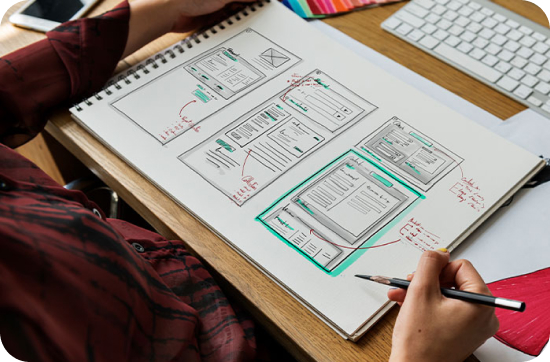
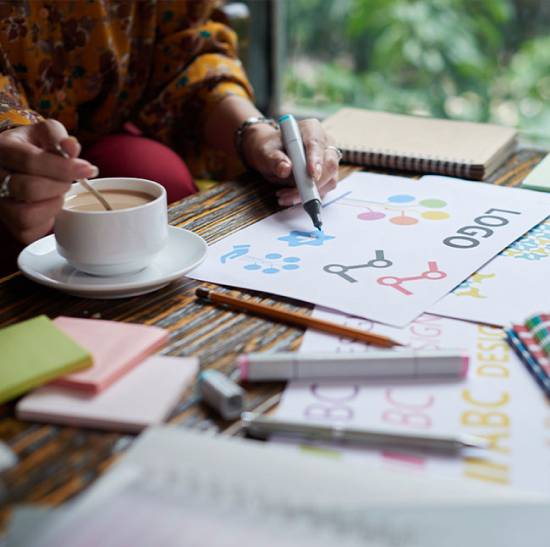
Brainstorming ideas, sketching, and experimenting with layouts and color palettes happen next. Modern designers often create mood boards or use digital tools to visualize concepts.
3. Design Execution
Using software like Adobe Photoshop, Illustrator, or user friendly tools like Canva for branding, social media posts, presentations, designers finalize high fidelity comps and prototypes.
4. Feedback and Revisions
Designs are tested and feedback is integrated, optimizing for clarity, visual appeal, and technical requirements like print specs or web responsiveness.
5. Delivery and Implementation
Final files, style guides, and assets are handed off. Designers may monitor how designs perform in market campaigns or digital channels.
Essential Graphic Design Tools
While Adobe Creative Suite remains the industry standard, new tools are shaping workflows:
-
Canva: Intuitive, drag-and-drop design platform ideal for beginners and small businesses to create professional marketing materials, social media graphics, presentations, and more.
-
Leonardo: An emerging AI-enhanced platform that accelerates tasks like image generation and conceptual art, blending creativity with automation.
-
Eleven Labs: Focuses on voice synthesis but increasingly integrates multimedia elements that complement graphic presentations and animations.
-
Narkeet and Suno: Tools that blend graphic creation with audio-visual design, pushing into immersive media and video content production.
-
Perplexity: Often used for research and contextual data gathering that informs creative strategy .
These tools empower designers to experiment faster, collaborate globally, and adapt to client needs with agility.
Modern Trends in Graphic Design for 2025
AI and Automation
Artificial intelligence assists in repetitive tasks such as background removal, colorization, and even generating design drafts. This trend allows designers to focus more on strategic and conceptual work.
Minimalism with a Twist
Clean lines, ample white space, and simple color palettes dominate, but designers now add playful animations, bold typography, or unexpected textures to keep minimalism fresh.
Immersive and Interactive Design
With growing AR/VR and web3 projects, graphic design extends into 3D, motion graphics, and interactive layouts, creating deeper user engagement.
Sustainability in Design
Eco-conscious brands influence designers to use colors, materials, and formats that support sustainability messages and minimize environmental impact.
Practical Tips for Aspiring Graphic Designers
-
Build a diverse portfolio showcasing varied styles and problem-solving cases.
-
Stay updated with design software and tools—take advantage of free resources like Canva tutorials or AI design trials.
-
Understand marketing fundamentals; graphic design rarely exists in isolation.
-
Collaborate and seek critique to refine your work.
-
Learn basics of UX/UI for digital projects, increasing your versatility.
The Future of Graphic Design: A Collaborative Frontier
Graphic design is increasingly interdisciplinary—melding with web development, user experience, digital marketing, and multimedia. Staying adaptable and embracing new technologies will be key to thriving.
Application Design